Showing posts with label Plays. Show all posts

Wednesday, September 10, 2014

The Committee Room's New Focus: Film, Theater, and Television

The Committee Room is pleased to announce that books pertaining to film, theater, and television are now our focus. This isn't entirely new ground for us. TCR's original subject -- the world of literature in general -- included discussion of writing done for and about the stage and screen. Articles on these subjects proved to be some of our most popular offerings.

Below are links to some of the articles on film, theater, and television that we have already published.


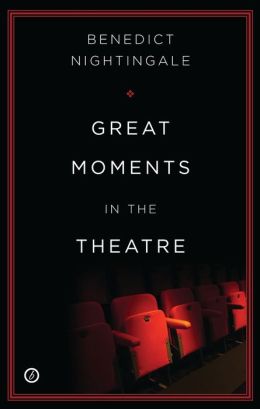
TCR Spotlight on Theater: Great Moments in Theatre by Benedict Nightingale


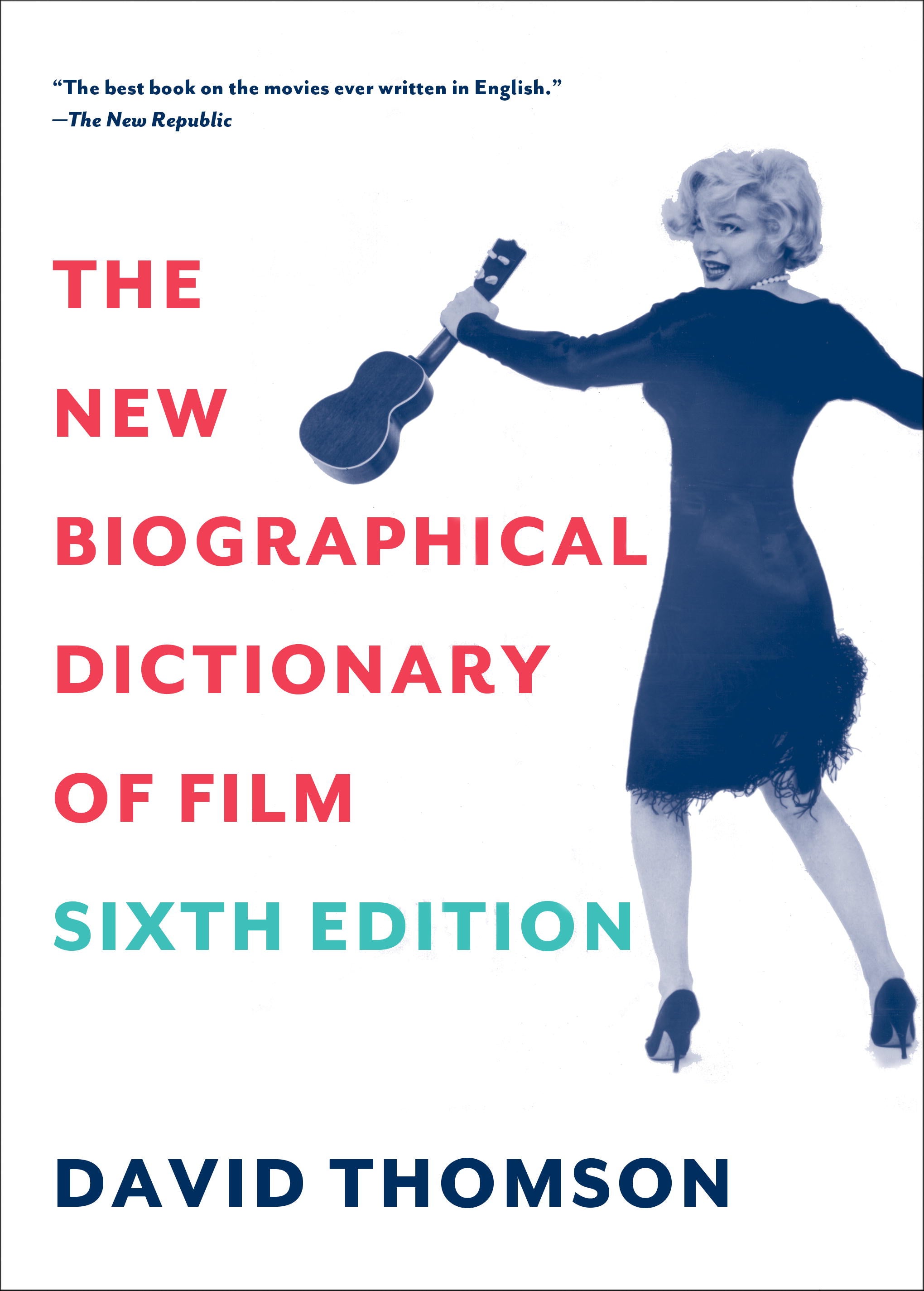
TCR Recommends: The New Biographical Dictionary of Film (Sixth Edition) by David Thomson


Writing for Television: An Interview with Jennifer Keishin Armstrong, author of Mary and Lou and Rhoda and Ted and All the Brilliant Minds Who Made 'The Mary Tyler Moore Show' a Classic


Thursday, October 18, 2012

TCR Spotlight on Theater: Wendy Wasserstein

The Committee Room recently spoke with Julie Salamon whose widely praised biography of the late playwright Wendy Wasserstein -- Wendy and the Lost Boys: The Uncommon Life of Wendy Wasserstein -- was just released in paperback. Salamon is a journalist who has worked for the Wall Street Journal and New York Times. Her 1992 book The Devil's Candy, an examination of the making of the screen version of Tom Wolfe's novel The Bonfire of the Vanities, is a classic look at behind the scenes Hollywood.

Salamon came to the Wasserstein biography at the suggestion of her editor at Penguin who had been approached by a close friend of Wasserstein, Andre Bishop, artistic director of Lincoln Center Theater. Bishop serves as literary executor for Wasserstein's work including her best known play The Heidi Chronicles which won both the Tony Award for best play and the Pulitzer Prize for drama in 1989. Bishop realized that a biography of Wasserstein, who died in 2006, was inevitable and wanted the project done properly.